📡 Real-time monitoring
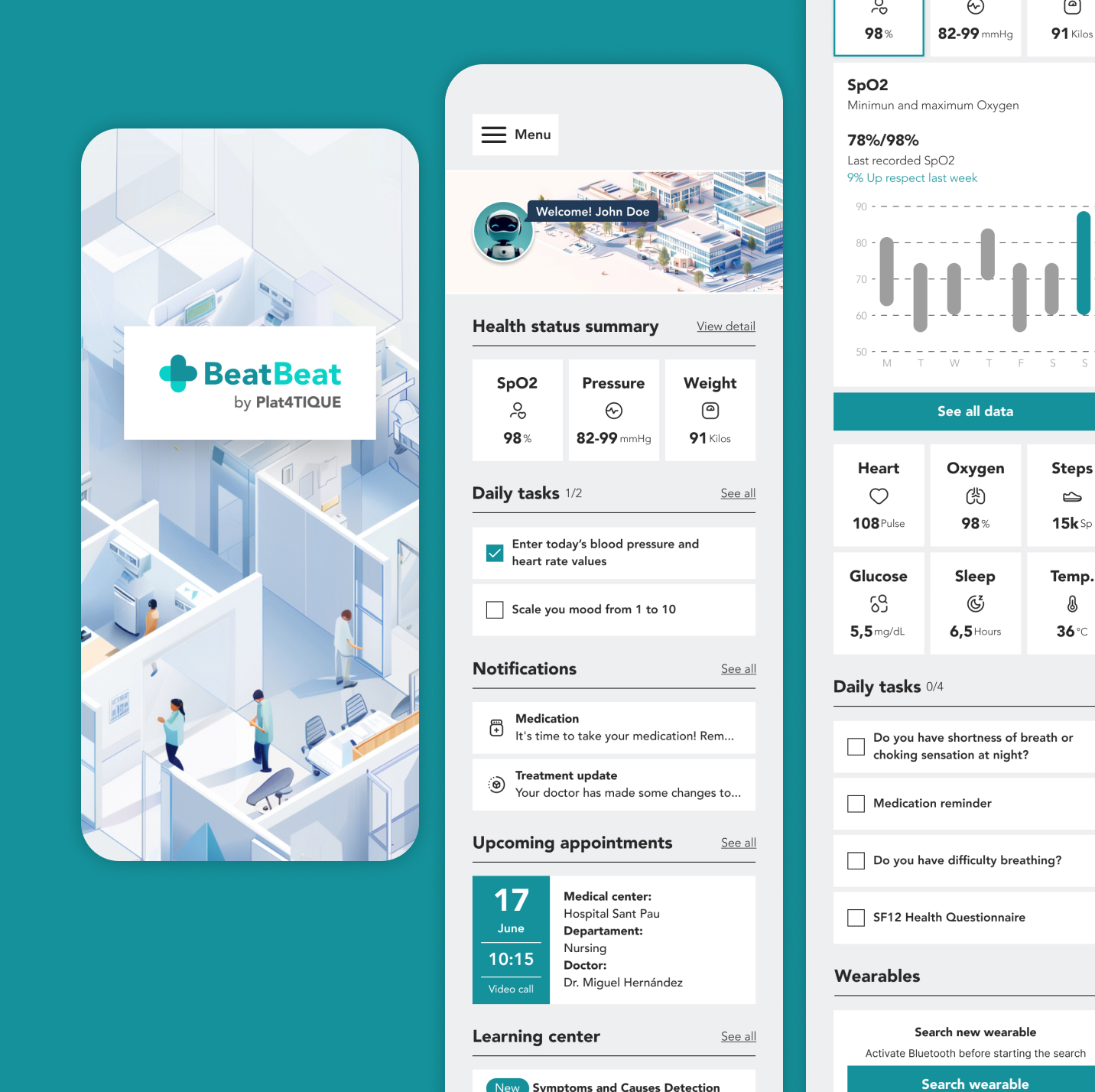
→ The patient uses a smartwatch and cardiac sensors to collect data such as heart rate, rhythm (arrhythmias), and oxygen levels. AI continuously analyzes this data to detect abnormal patterns.
🤖 AI analysis
→ Artificial Intelligence learns the patient’s normal behavior, detects irregularities within seconds, and generates automatic alerts.
→ Example: if a potential arrhythmia is detected, it notifies the doctor, recommends immediate action, and also alerts the patient.
🏥 Doctor connectivity
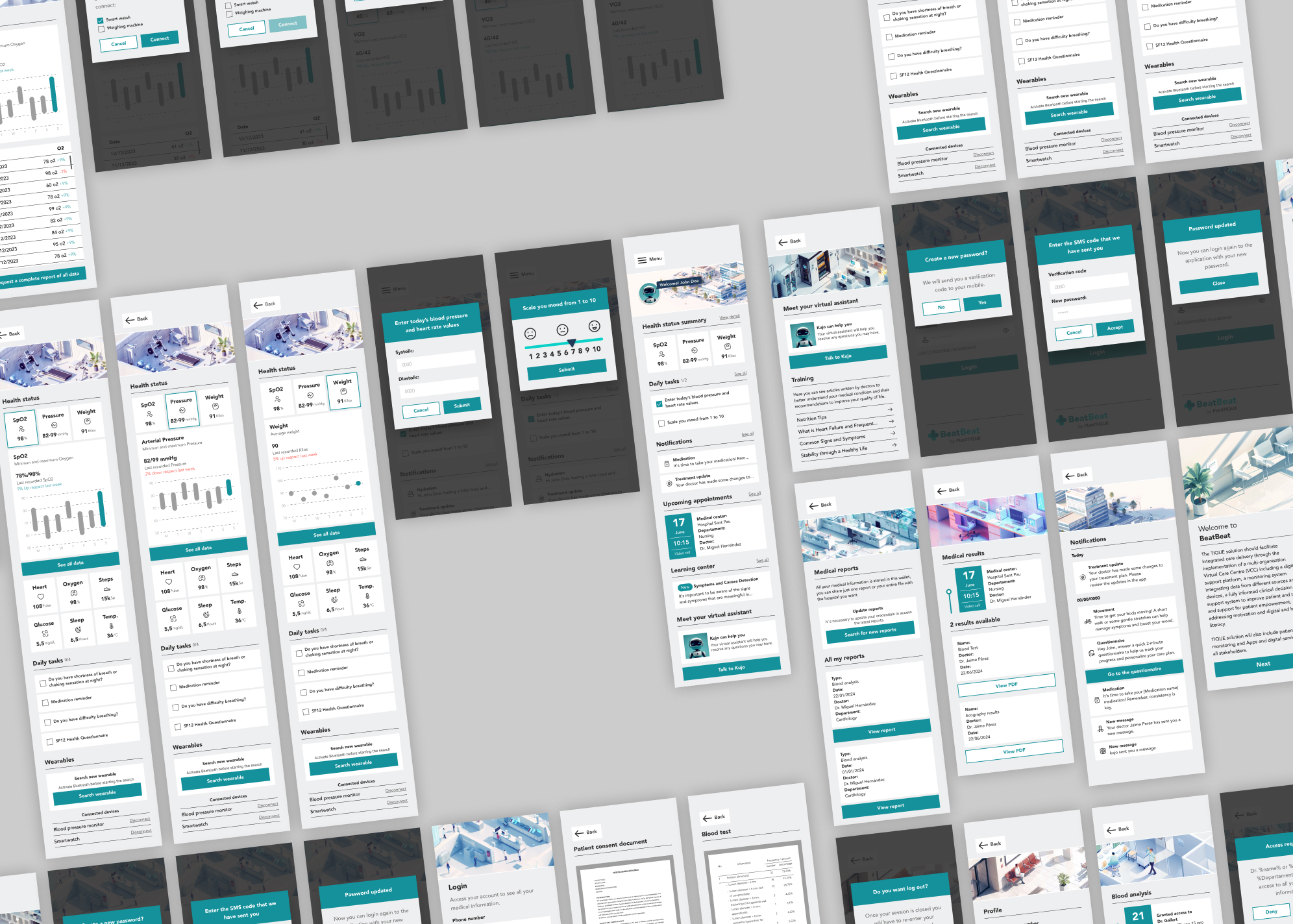
→ The doctor receives real-time data and accesses dashboards with graphs, history, and priority alerts, enabling preventive rather than reactive medicine.
🔐 Blockchain medical history
→ All relevant patient information is stored on blockchain, ensuring:
🔒 Security: encrypted data.
🧾 Immutability: cannot be altered.
🌍 Portability: accessible from any authorized hospital.
🚑 Emergency use
→ If a patient experiences an episode in another city, the hospital can scan a code or access the profile instantly, retrieving medical history, medication, allergies, and past cardiac events, reducing critical response times and saving lives.