0 %

Mallmark Hi

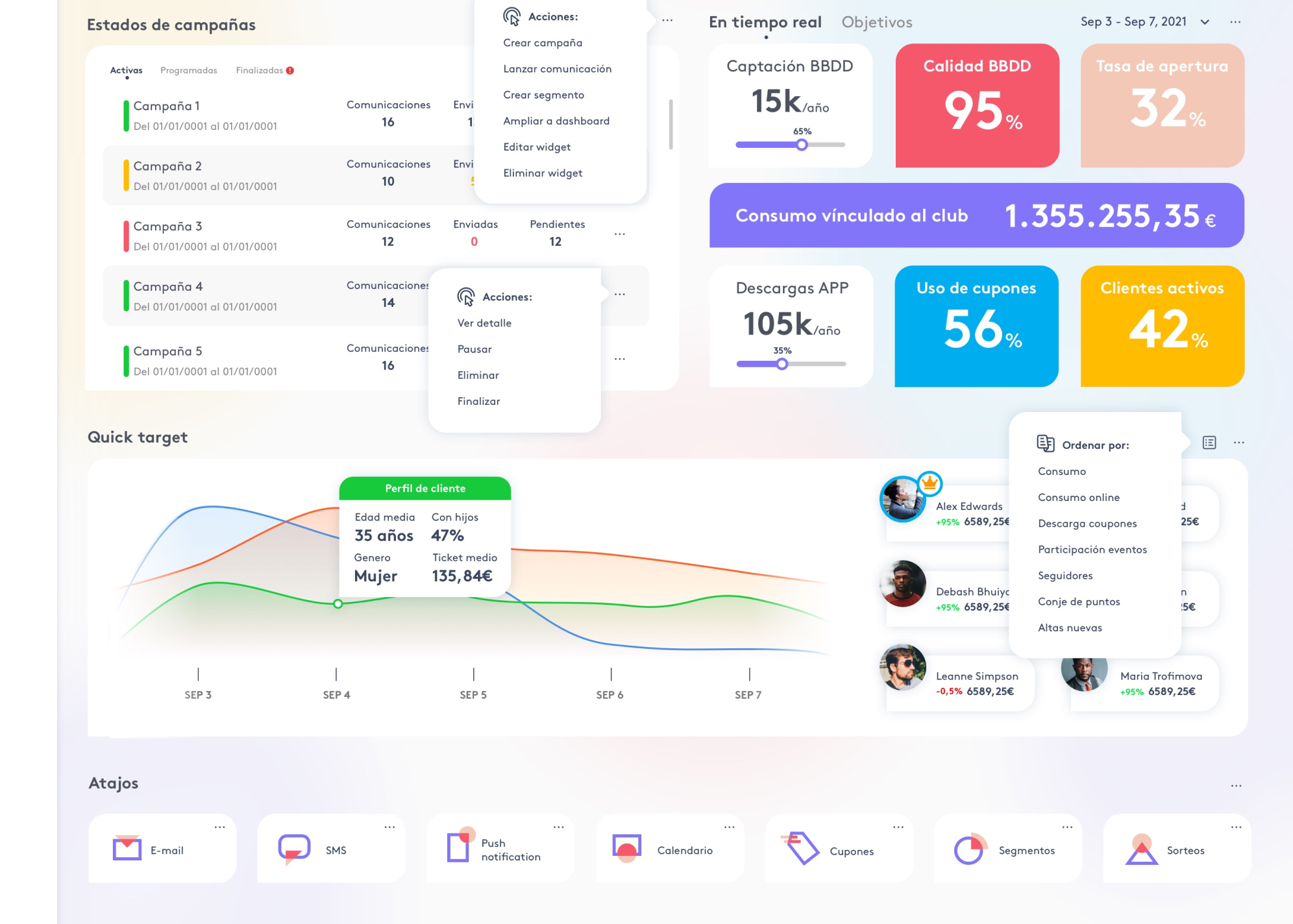
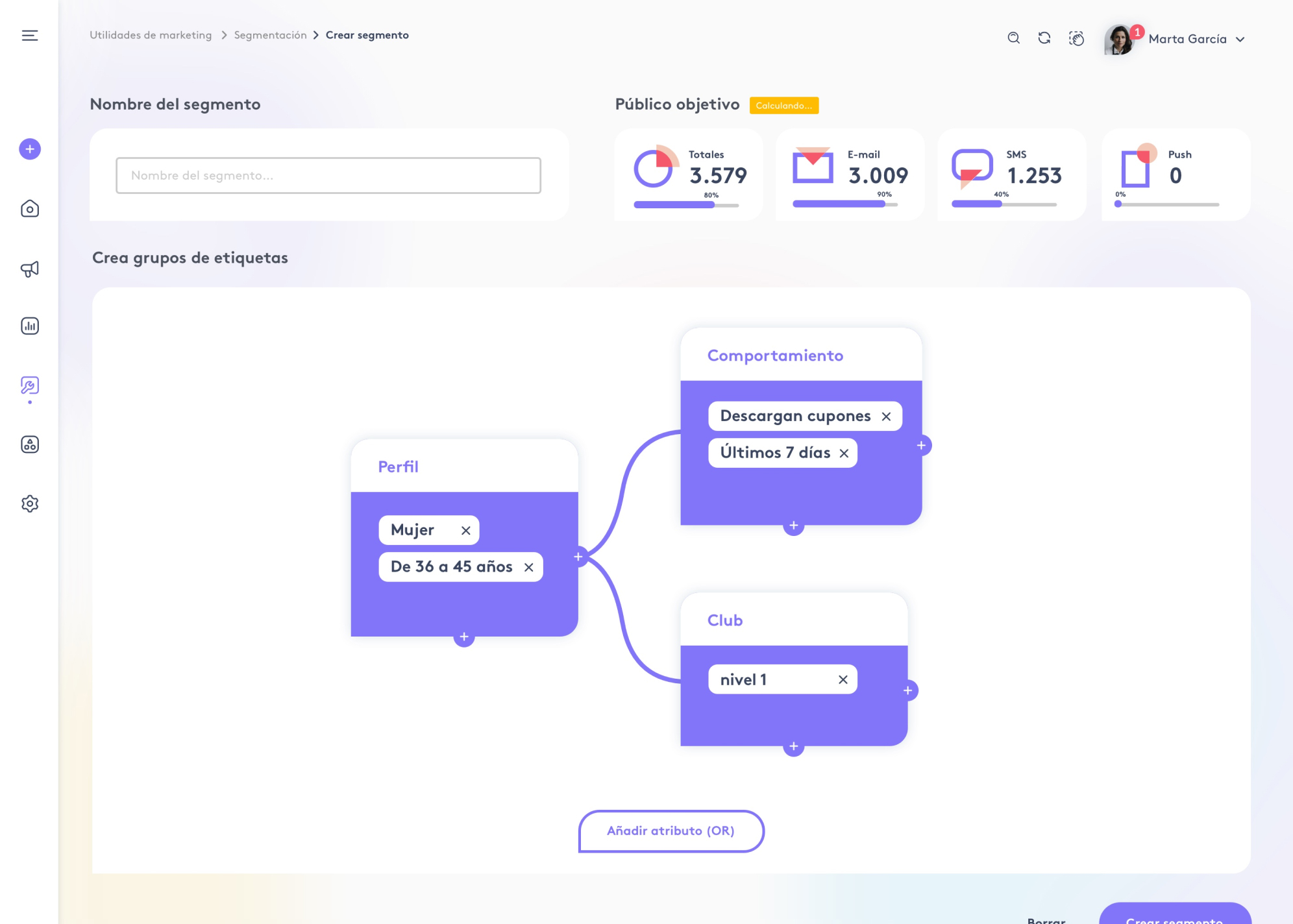
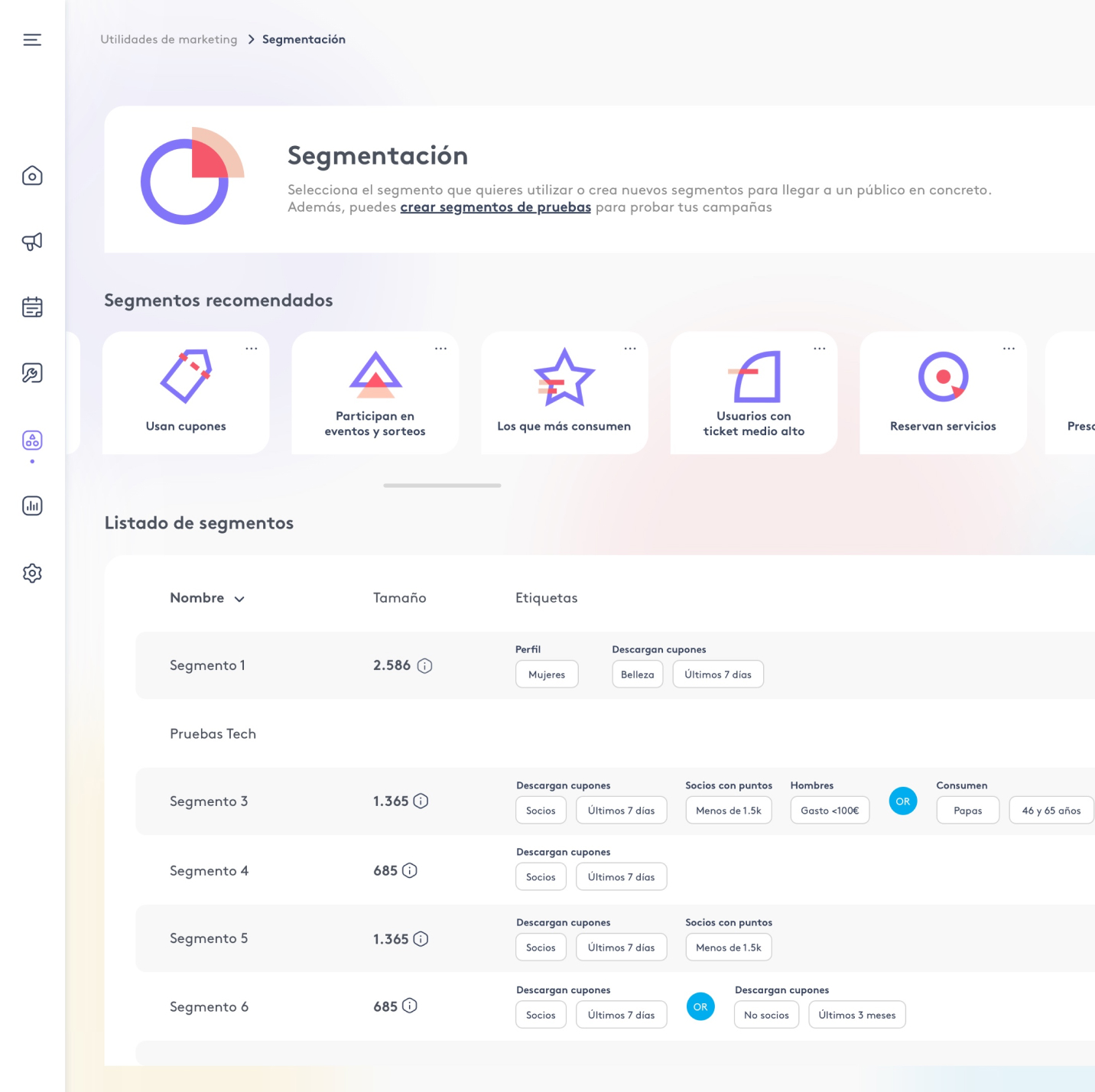
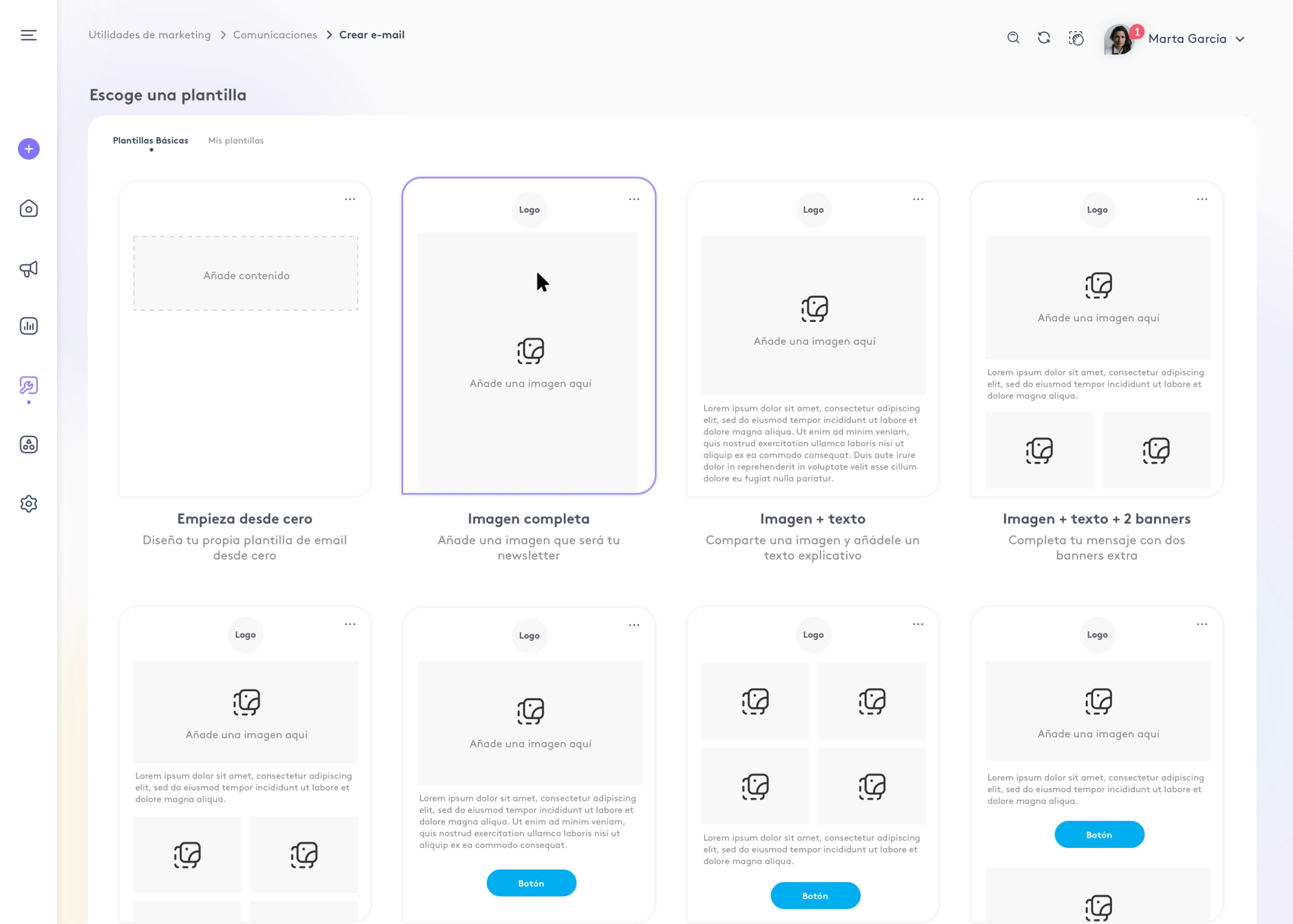
SaaS solution for intelligent customer management in large shopping centers, combining advanced segmentation, personalized marketing campaigns, and tailored offer generation.

All of this is enhanced by real-time analytics and metrics to maximize results and optimize the customer experience.

Company

Rethink marketing S.L

Insdustry

Marketing

Date

2024
Responsibilities:
UX Strategy
Dashboard Design
Information Architecture
User Flows
UI Design
Design System
Prototyping

Context + Challenge

Designing a SaaS platform for shopping mall management

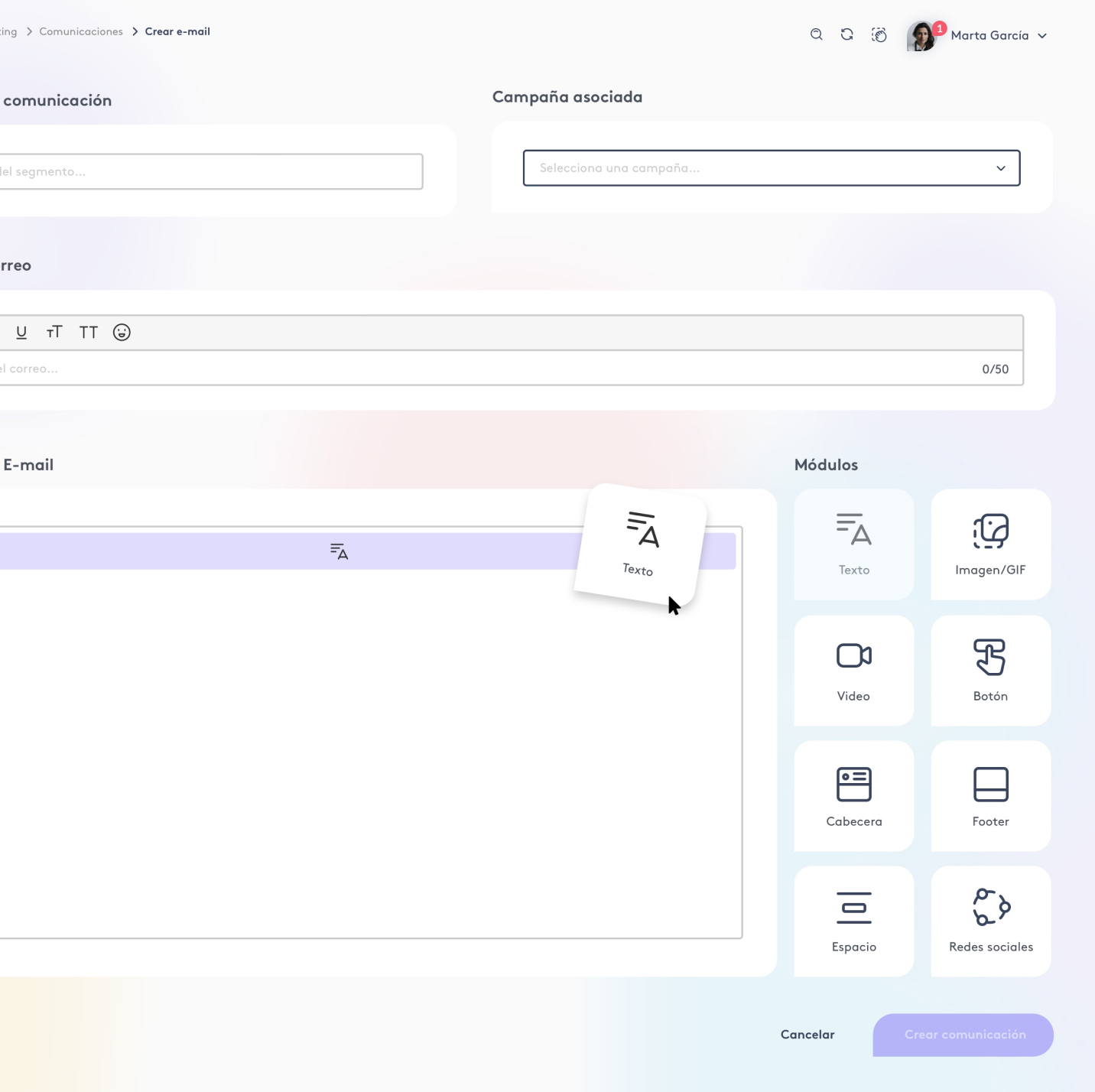
MallMark Hi is a SaaS platform designed for shopping centers, focused on improving the management of commercial spaces, communication workflows, and operational efficiency.

The main challenge of the project was designing a platform capable of handling large amounts of information and complex management flows while maintaining a clear, intuitive, and easy-to-use experience.

During the discovery phase, several key problems were identified:

  • Fragmented workflows across different management areas.
  • Lack of clarity in dashboard structures and data visualization.
  • Overly complex interfaces that increased cognitive load for users.

The goal was to create a platform that felt:

Efficient, organized, and easy to navigate, while supporting the complexity of a multi-functional business environment.

Process + UX Decisions

Creating a clearer and more scalable SaaS experience

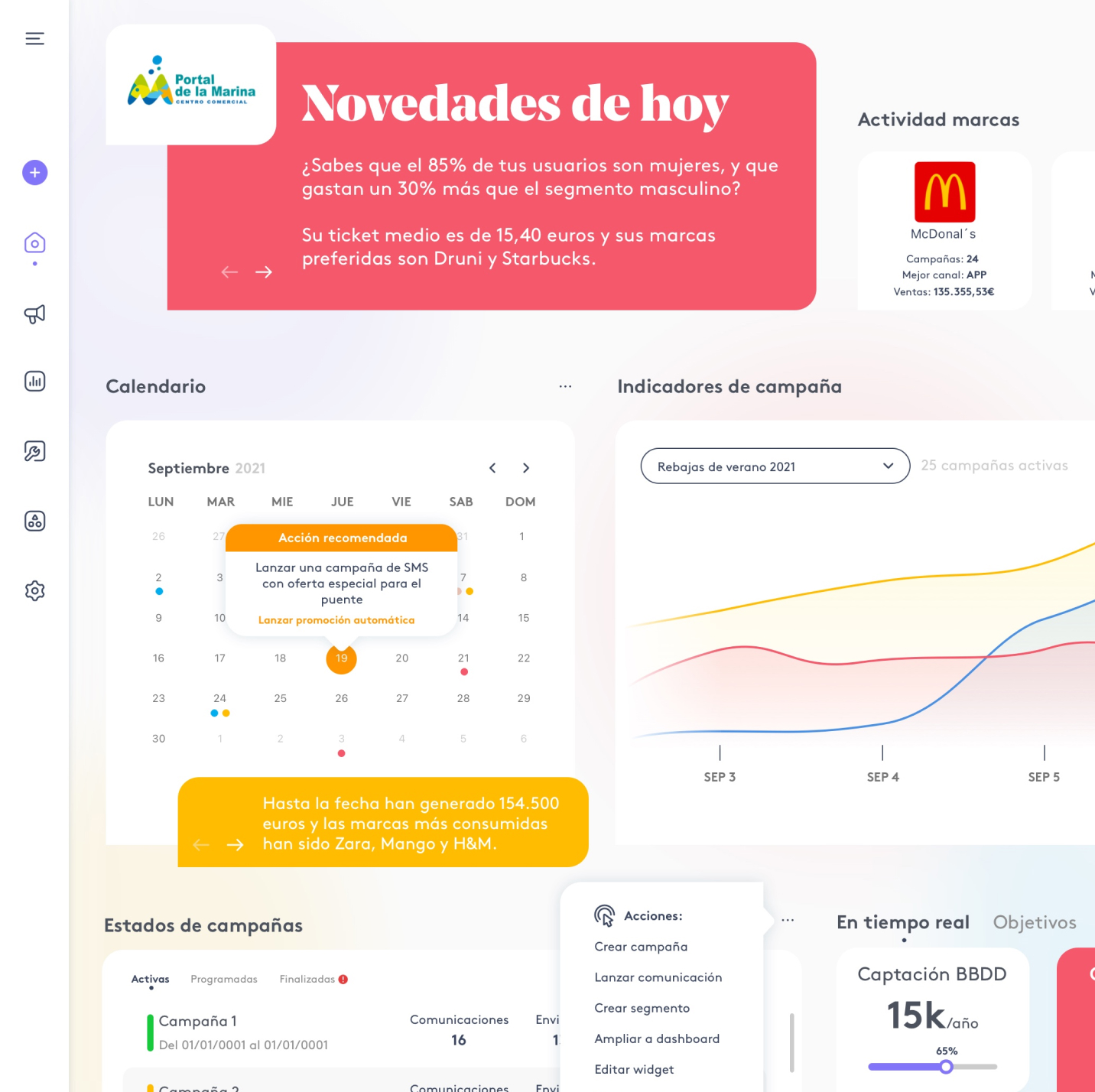
The final solution delivered a more structured, intuitive, and scalable platform for shopping mall management.The redesigned experience improved:

Navigation clarity, dashboard readability and overall workflow efficiency across the platform.

Visually, the product aimed to balance:

Clarity, functionality, and professionalism creating an interface that felt modern while remaining highly usable for complex business operations.

Key learnings:

This project reinforced several important product design principles:

Clarity improves productivity:

In SaaS products, reducing friction and improving information hierarchy has a direct impact on usability and efficiency.

Scalable systems create better products:

Designing modular components and consistent patterns was essential for maintaining scalability across the platform.

Data should feel understandable, not overwhelming:

Presenting large amounts of information in a clear and structured way significantly improved the user experience and overall product perception.

Results

๐Ÿ‘ค Real customer understanding
โ†’ Centralizes data and builds customer profiles, enabling insight into behaviors, preferences, and consumption patterns.

๐ŸŽฏ Segmented and personalized marketing
โ†’ Enables the creation of tailored campaigns and offers for each segment, increasing relevance and conversion.

๐Ÿ“Š Real-time visibility
โ†’ Provides KPIs and dashboards to adjust campaigns in real time and make data-driven decisions.

๐Ÿ’ธ ROI optimization
โ†’ Measures the performance of each action (conversions, traffic, sales) and maximizes investment efficiency.

๐ŸŒŸ Differentiated customer experience
โ†’ Enhances interaction and loyalty through relevant and personalized experiences.

๐Ÿ”— Data unification
โ†’ Integrates information from CRM, apps, WiFi, and stores into a single platform for strategic use.