0 %

Identfy

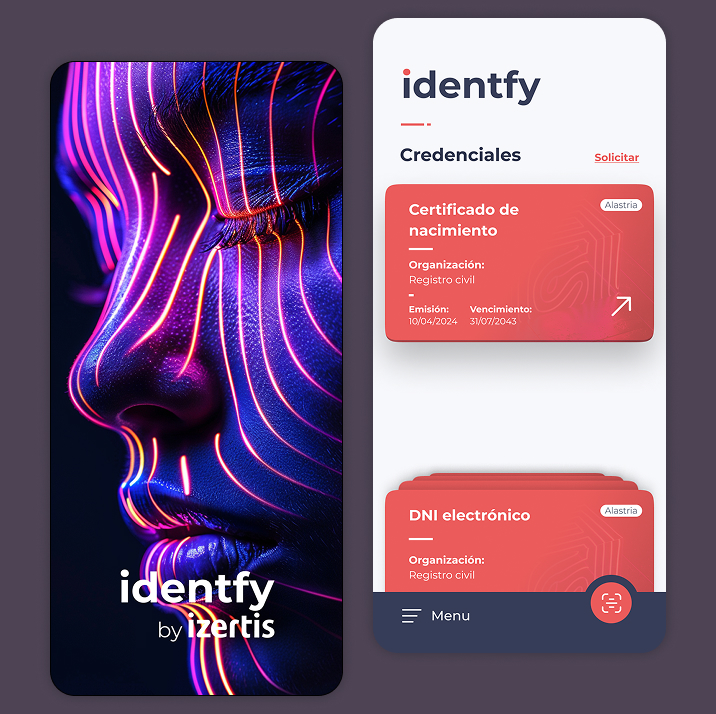
A Web3-based application that enables companies and public administrations to issue, manage, and verify digital credentials in a secure and trustworthy way.

The platform uses blockchain technology to ensure the authenticity, integrity, and privacy of credentials, streamlining processes such as certifications, accreditations, and permits, without the need for intermediaries and enabling instant verification by authorized third parties.

Company

Izertis S.A

Insdustry

Blockchain

Date

2026
Responsibilities:
UX Strategy
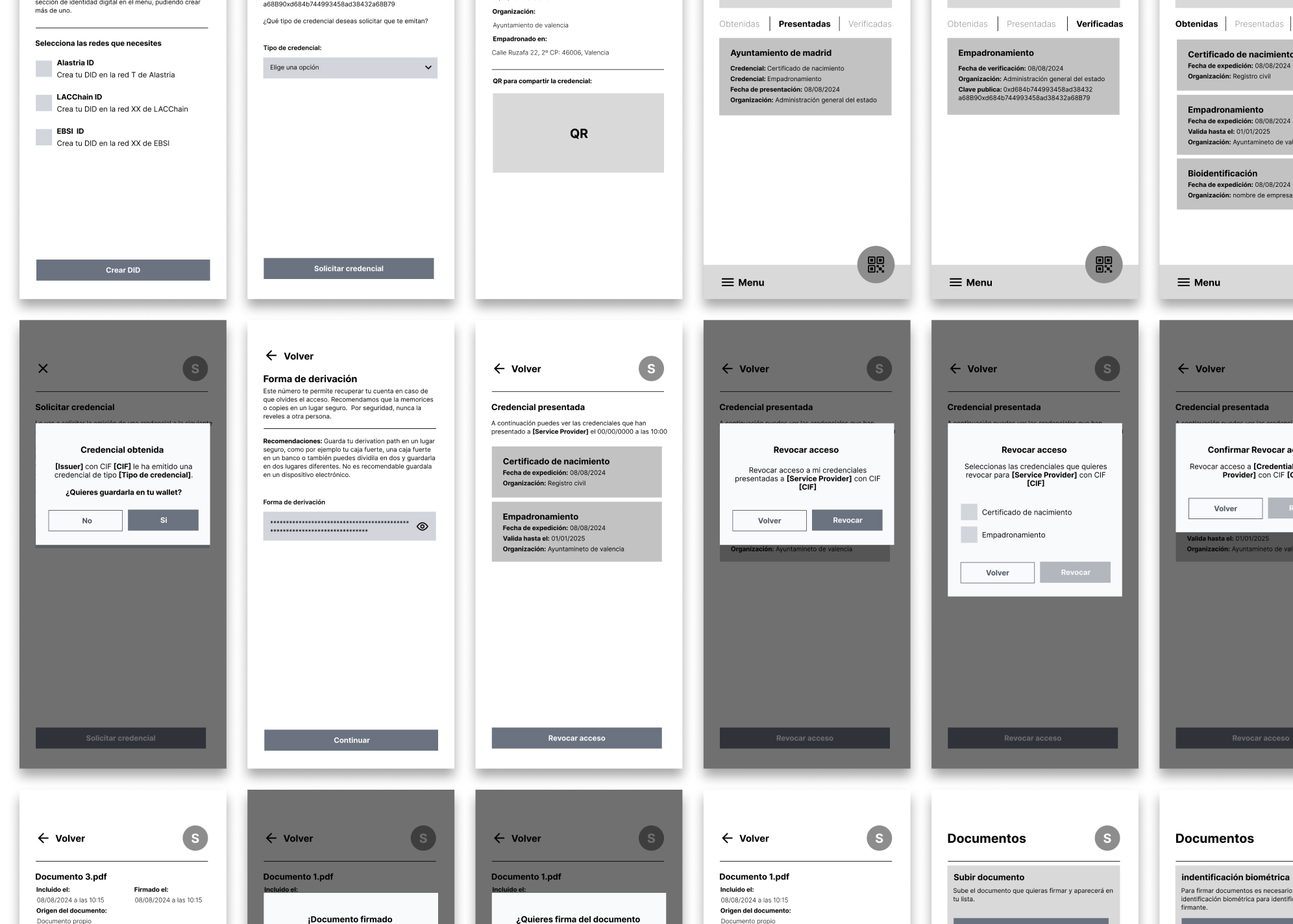
User Flows
Wireframing
Branding
UI Design
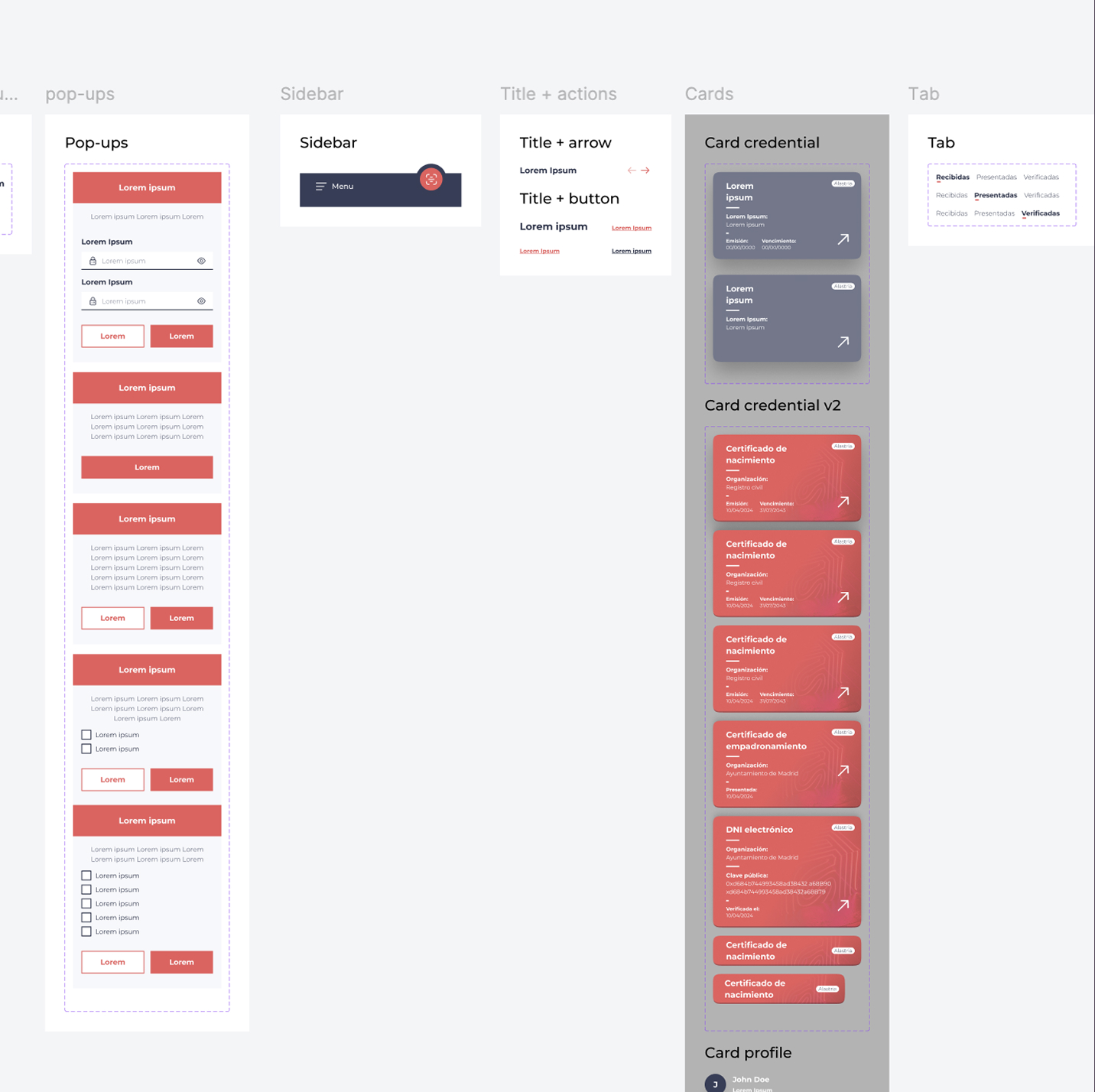
Design System
Prototyping

Context + Problem

Designing a digital identity experience users could actually understand

Identfy is a Self-Sovereign Identity (SSI) platform focused on verifiable credentials and decentralized identity management, allowing users to securely store, manage, and share personal information.

The main challenge of the project was transforming a highly complex technological system into an intuitive and accessible experience for non-technical users.

During the discovery phase, several key problems were identified:

  • Users struggled to understand blockchain and SSI-related concepts,
  • Digital verification processes generated uncertainty and distrust,
  • Identity flows felt too abstract and technically overwhelming.

The goal was to design an experience that felt:

Clear, trustworthy and cognitively simple without compromising security or transparency.

ย 

Process + UX Decisions

Simplifying complexity through UX

The design strategy focused on creating a clearer and more intuitive experience for non-technical users while maintaining a strong sense of security and trust.

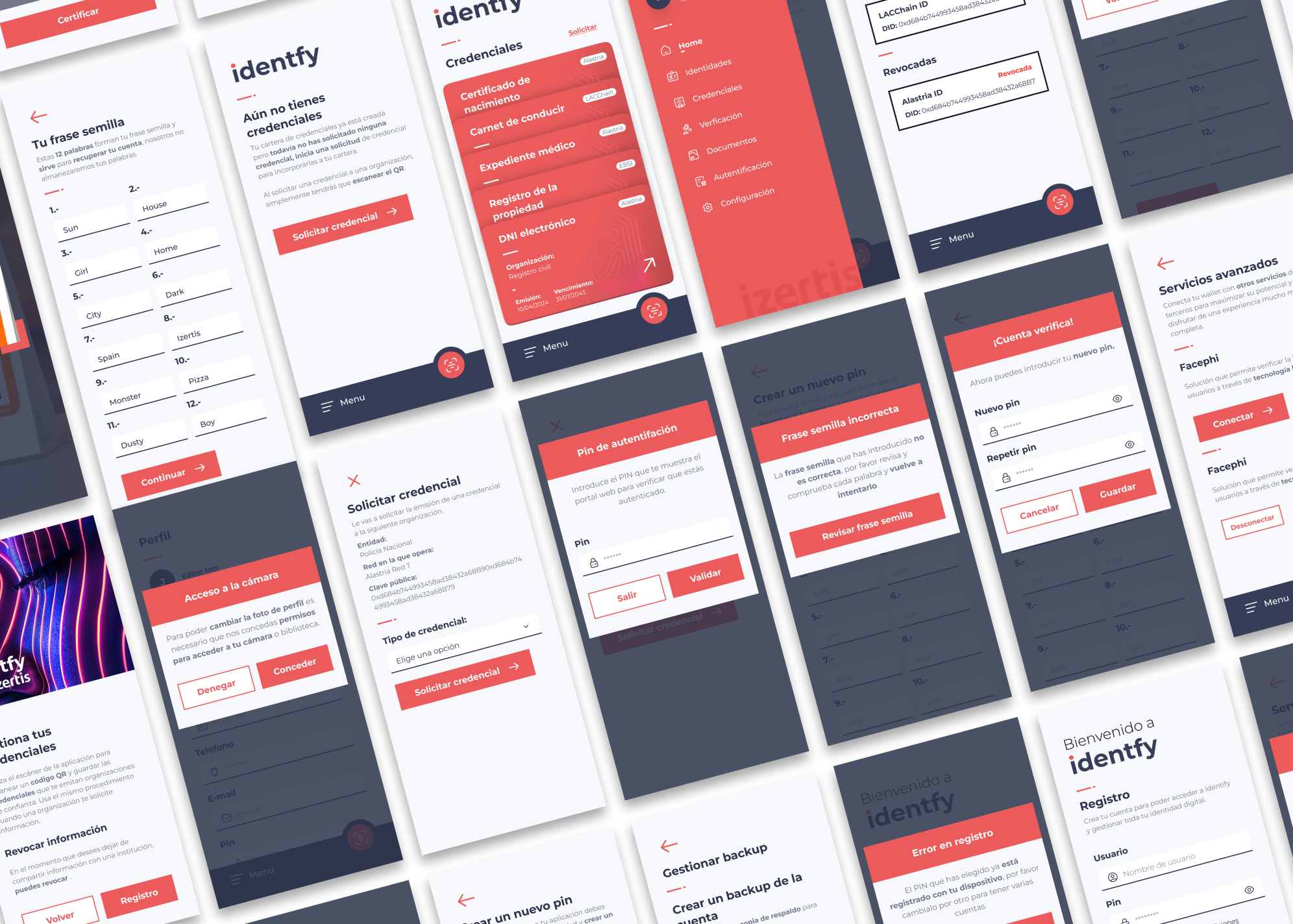
To reduce complexity, technical SSI and blockchain terminology was simplified into more familiar and user-friendly language. Critical actions such as identity verification and secure data sharing were redesigned into simple guided flows, helping users complete tasks with greater confidence and less uncertainty.

The visual direction was inspired by banking and fintech products, using familiar interaction patterns to reinforce feelings of reliability, control, and safety.

To avoid overwhelming users, advanced information was only displayed when necessary through a progressive disclosure approach, keeping the experience focused and cognitively simple.

A modular and scalable design system was also developed to ensure consistency across flows, components, and interaction states.

Results + Impact

๐Ÿ” Security and trust
โ†’ Digital credentials are issued and verified on blockchain, ensuring authenticity and integrity.

โฑ๏ธ Instant verification
โ†’ Companies and public administrations can validate credentials in real time without intermediaries.

๐Ÿ“‚ Centralized management
โ†’ Enables issuance, organization, and revocation of credentials from a single trusted system.

๐Ÿ‘ฅ Fraud reduction
โ†’ Each credential is unique and publicly verifiable, minimizing impersonation and falsification.

๐ŸŒ Accessible and interoperable
โ†’ Designed to work across different organizations and systems, enabling collaboration and universal acceptance.

๐Ÿงฉ Process automation
โ†’ Simplifies accreditation, permits, and certification workflows, reducing time and errors.

๐Ÿ“Š Traceability and auditing
โ†’ Provides an immutable record of all issued and verified credentials, ideal for internal control and external audits.

๐Ÿ’ก Innovation and reputation
โ†’ Strengthens the organizationโ€™s image as secure, transparent, and technologically advanced.